How to Master Email Marketing
5 Questions to Guide Your Next Campaign
Your audience gets hundreds of emails a week. Most get ignored. Some get deleted instantly. A few (very few) actually get read. So how do you make sure you land in the last group? Decades of innovation have transformed email marketing into the strategic channel it is today. Now, success is about more than crafting catchy subject lines; it’s about approach, personalization and delivering content your audience truly wants to engage with.
AI, automation and behavioral insights make it possible to craft highly targeted campaigns—but only if the groundwork is done right. Before you hit “send,” there are key questions every marketer should ask. From defining your goals to growing and maintaining your subscriber list, these considerations form the foundation of email campaigns that are thoughtful, modern and designed to connect. Let’s dive in.
Question 1: What are my email campaign goals?
Email marketing works best when you clarify exactly what you want it to do. Are you looking to build stronger connections with existing customers, introduce a new product or keep your audience informed? Your goals will dictate everything—from the type of content you create to how often you send it.

Clear objectives also help you prioritize resources. If your main goal is nurturing leads, you might focus on a welcome series or targeted content. If it’s engagement, perhaps a newsletter with curated insights is the way to go. Defining your goals upfront ensures every email you send serves a purpose and feels intentional.
Here are a few common types of emails and the goals they typically support:
-
Welcome emails: Introduce your brand, set expectations and start building a relationship with new subscribers.
-
Newsletters: Communicate regularly in a way that reinforces your brand voice and builds familiarity over time.
-
Promotional emails: Highlight new products, special offers or events to drive awareness and interest.
-
Transactional emails: Nurture trust by keeping customers informed with confirmations and account updates.
-
Re-engagement emails: Win back inactive subscribers or spark interest with targeted content.
-
Educational emails: Provide valuable insights, tips or resources to position your brand as a helpful authority.
Question 2: Who am I speaking to?
Behind every email address is a real person with different needs, interests and expectations. Audience segmentation helps ensure your emails feel relevant instead of generic. Depending on your goals, you might segment by demographics, past behavior, engagement level or where someone is in their customer journey. A first-time subscriber doesn’t need the same message as a long-time customer, and your emails should reflect that.
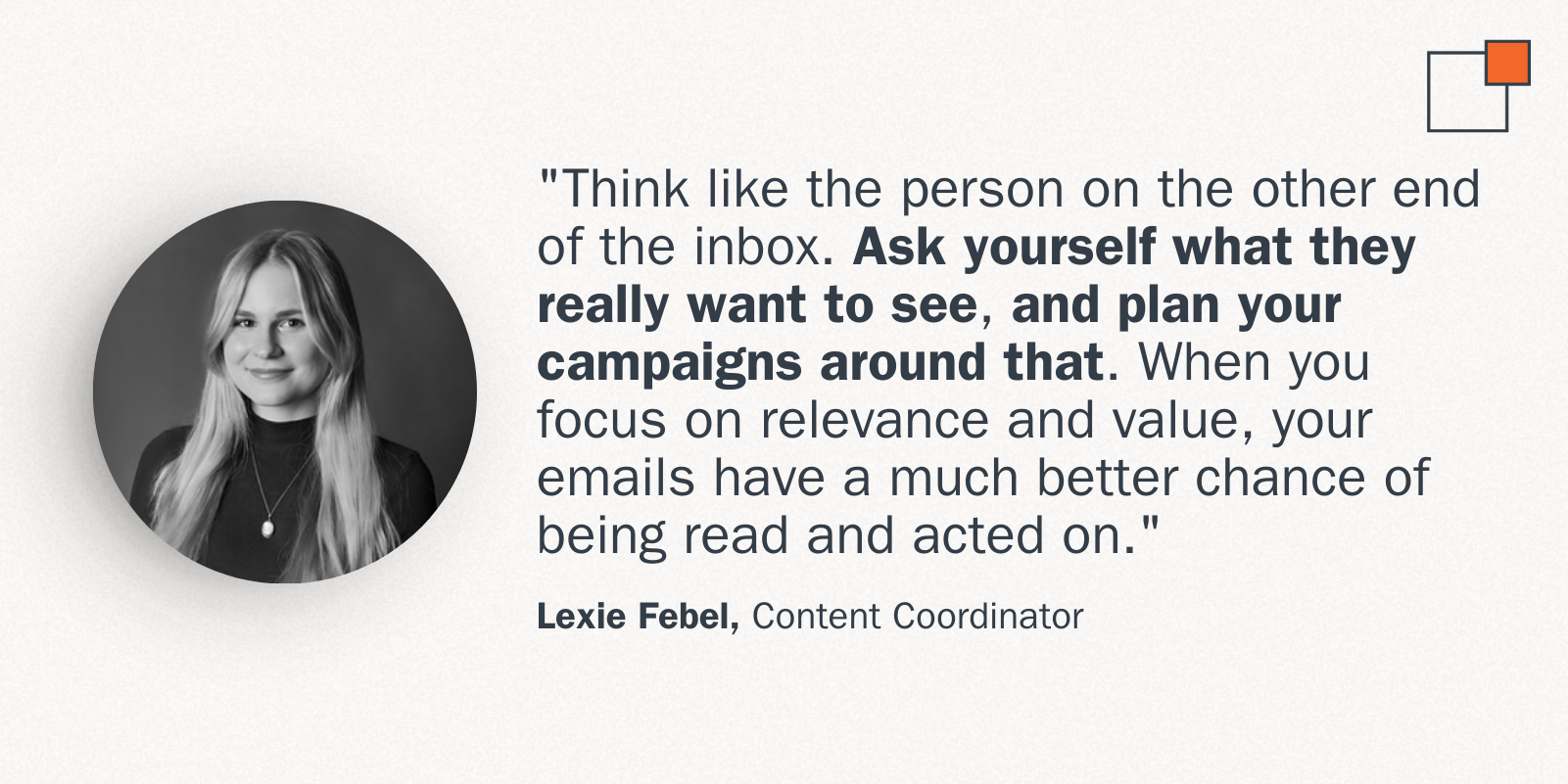
That said, segmentation doesn’t have to be all or nothing. Based on your resources, a single, well-crafted message sent to your entire list can still be effective—especially if you’re just getting started. The key is being deliberate. As your campaigns mature, layering in segmentation is one of the easiest ways to improve performance without increasing send volume.
Modern email platforms (like our partner, Mailchimp) make this even easier. AI-driven tools can help predict user interests, automate list segmentation and serve dynamic content that adjusts based on who’s opening the email.
Question 3: What should my email content look like?
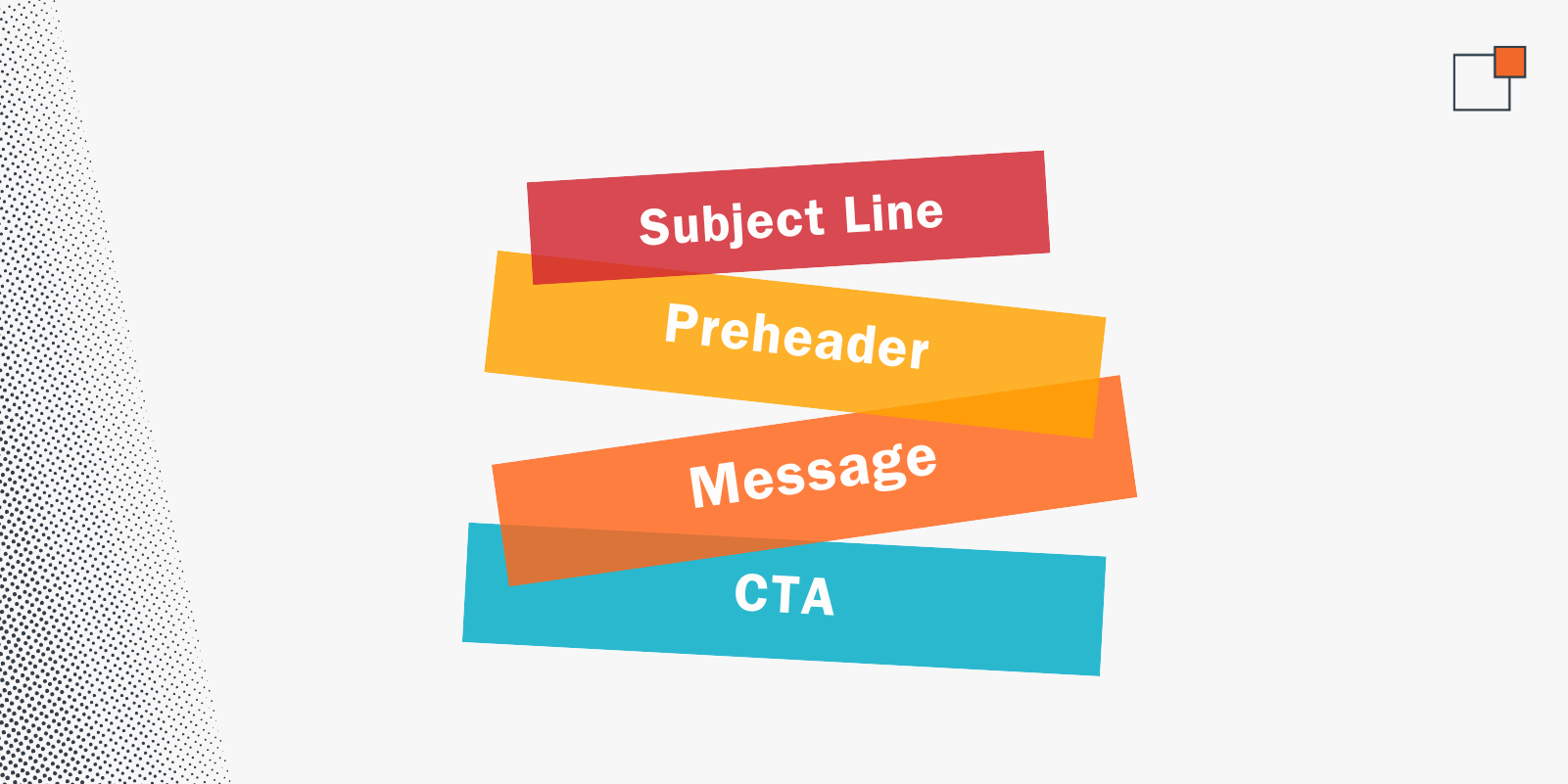
Once you know your goals and your audience, it’s time to focus on the content itself. Every email—no matter the purpose—should be built with a few core components in mind:
- A subject line that earns the open
- A preheader that adds context
- A clear and engaging message
- A call to action that tells readers what to do next
When these elements work together, your email feels focused instead of cluttered.
Visuals also do some of the heavy lifting. Images, graphics and layout should guide the reader, not distract from the message. When emails are clean, easy to scan and thoughtfully structured, they’re far more inviting—particularly on smaller screens. Be sure to keep your mobile users in mind when designing your emails!
Question 4: What email metrics should I track?
After your emails are out in the wild, it’s time to discover what’s working and what isn’t. Start with the basics: open rates, click-through rates, unsubscribes and list growth. These give a quick pulse on engagement and can highlight potential issues in your messaging, subject lines or targeting.
For teams ready to dig deeper, advanced metrics can provide richer insights. Revenue attribution connects your emails to sales or conversions, showing which campaigns actually drive results. Predictive engagement analytics (powered by modern tools) can forecast subscriber behavior, helping you fine-tune content and timing.
The key is aligning metrics with your goals. Not every campaign needs every metric; focus on what shows whether your objectives are being met.
Metrics to monitor for each campaign:
-
Open rate: Are your subject lines compelling?
-
Click-through rate: Is your content engaging enough to drive action?
-
Unsubscribes/complaints: Are you sending the right content to the right audience?
-
List growth: Are you attracting new subscribers consistently?
-
Revenue or conversion tracking (if applicable): Are campaigns contributing to measurable business outcomes?
Question 5: How will I grow my subscriber base?
A healthy email program starts with a strong, engaged subscriber list. There are plenty of ways to attract new subscribers—website signups, social media promotion, gated content, contests and referral programs all work well. Ultimately, it should be easy and enticing for people to join.
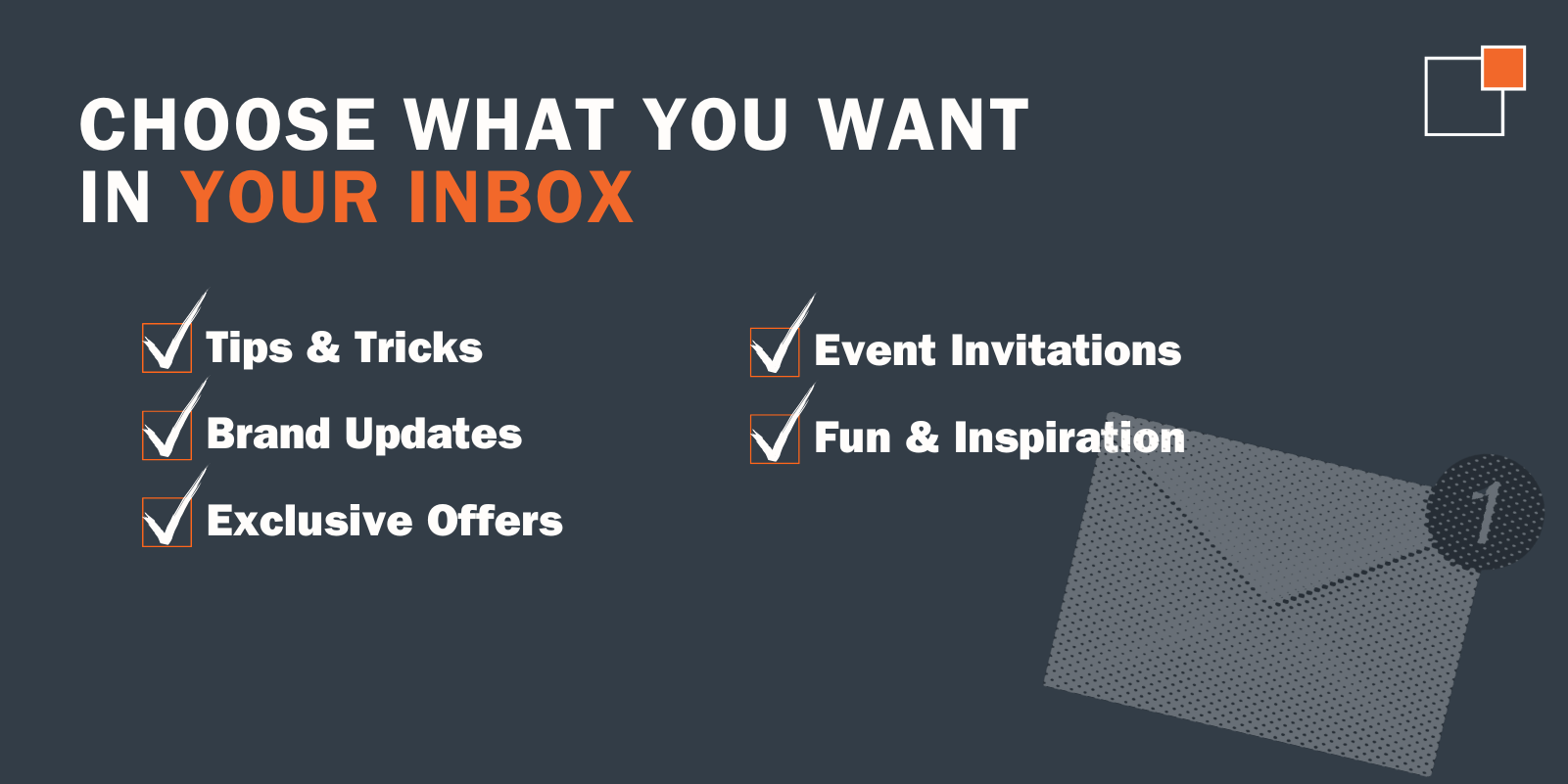
Personalization takes growth a step further. Let subscribers choose the types of emails they want to receive or the topics they care about. Giving people control over their inbox experience increases engagement and keeps your list happy.
Automation also makes growth more manageable. Triggered onboarding sequences, welcome emails and re-engagement campaigns can nurture new and inactive subscribers without adding manual work. For example, a simple growth plan could look like this:
- Place a website signup form on high-traffic pages to promote your newsletter.
- Send a welcome email sequence that introduces new subscribers to your brand.
- Offer referral incentives or run social campaigns to encourage sharing and sign-ups.
- Deploy re-engagement emails to bring lapsed subscribers back into the fold.
With a mix of strategy, personalization and automation, your list not only gets bigger but becomes a community of subscribers who genuinely want to hear from you.
Bringing it all together
The inbox is crowded, but the right strategy can give your emails a fighting chance. Email marketing requires thoughtful planning, the proper tools and a deep understanding of your audience. By asking these key questions and following email marketing best practices, it’s possible to create campaigns that cut through the noise and get noticed.
Need a hand getting started or taking your campaigns to the next level? We’re here to help craft, launch and optimize email strategies that deliver results every time.

Ready to see what we can do for you?
Let's connect and explore how we can amplify your brand.