The Future of Web Design
Building next-gen digital experiences
Websites used to have a pretty simple job: look good, load fast and make it easy for someone to find what they needed.
That era is over.
Today, a website isn’t a digital brochure sitting quietly in the background—it’s a living, adaptive experience engine. It responds to engagement, anticipates intent and increasingly learns from every interaction it touches.
That shift didn’t happen all at once, but it has steadily redefined what users expect from digital experiences. The websites that stand out now aren’t just visually refined or technically sound. They’re responsive in a more literal sense, adjusting in real time to context and behavior. Most organizations know they need to evolve but aren’t sure where (or how) to start.
So, what does the future of web design actually look like? And what does a successful digital experience transformation require beyond a new platform or a fresh coat of paint? Let’s explore the technologies, strategies and mindset shifts shaping the next generation of web development.
AI has transformed how people search, browse and find information. Users are becoming accustomed to receiving immediate, relevant answers, and they expect this level of responsiveness from the brands they interact with online. At the same time, personalization has shifted from a competitive advantage to the standard. Visitors want experiences tailored to their needs, interests and behaviors—not generic content designed for everyone.
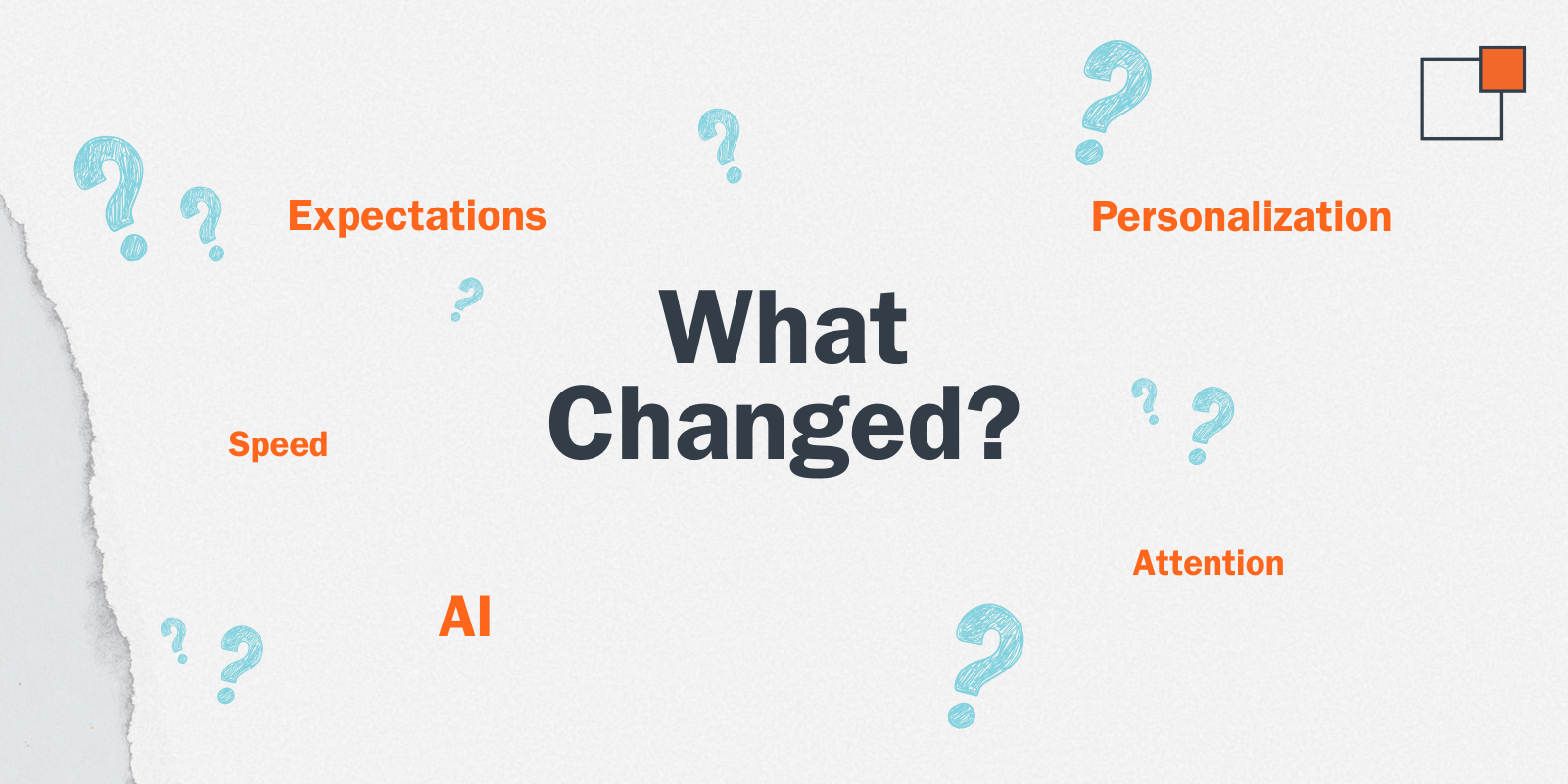
Speed and simplicity matter, too. Today's users expect intuitive, frictionless journeys that help them accomplish their goals with minimal effort. And with attention spans stretched across countless channels and platforms, websites have less time than ever to prove their value.
As a result, static websites are giving way to dynamic, contextual experiences that adapt to users on the fly.
Modern websites need to be: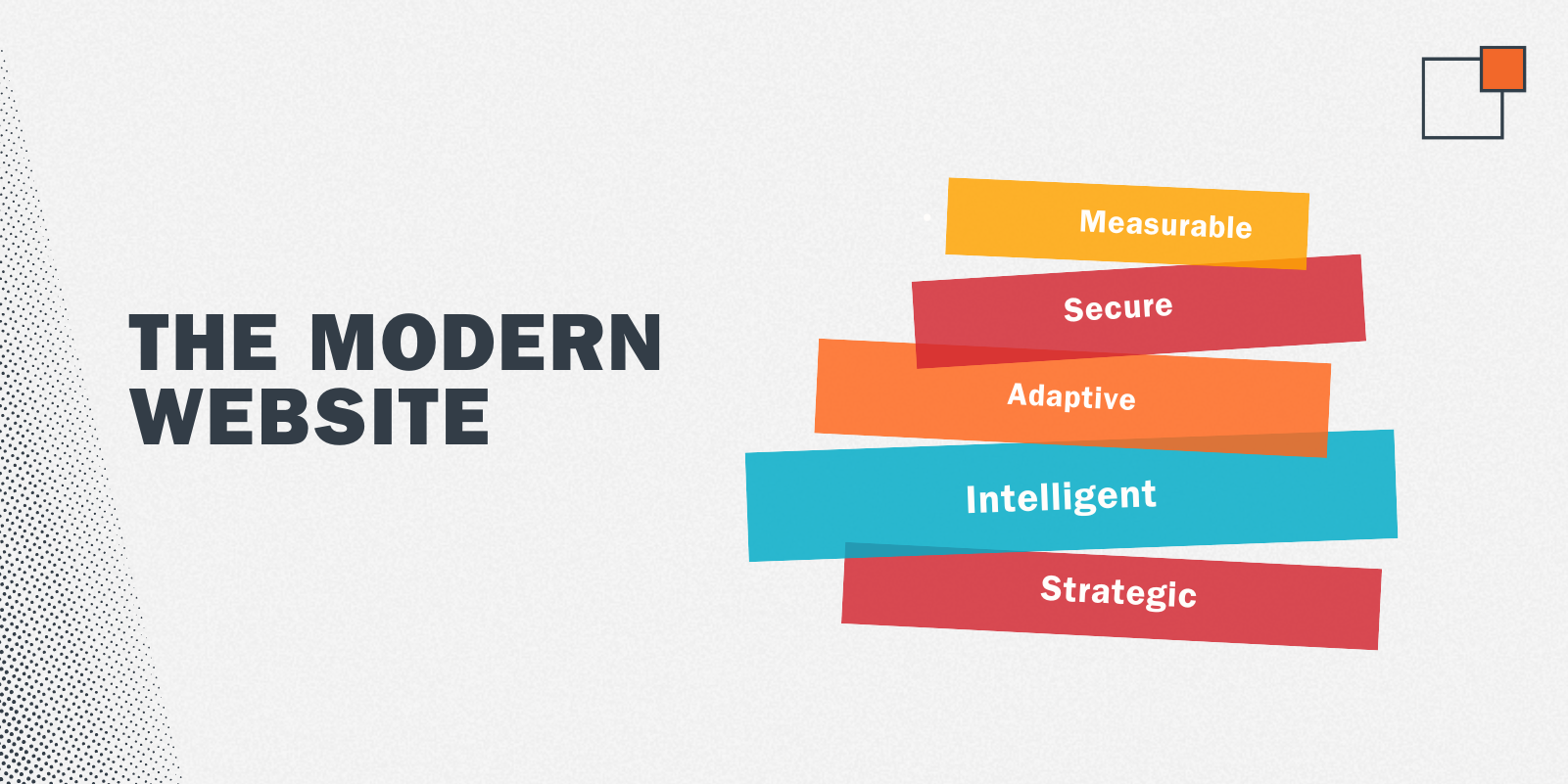
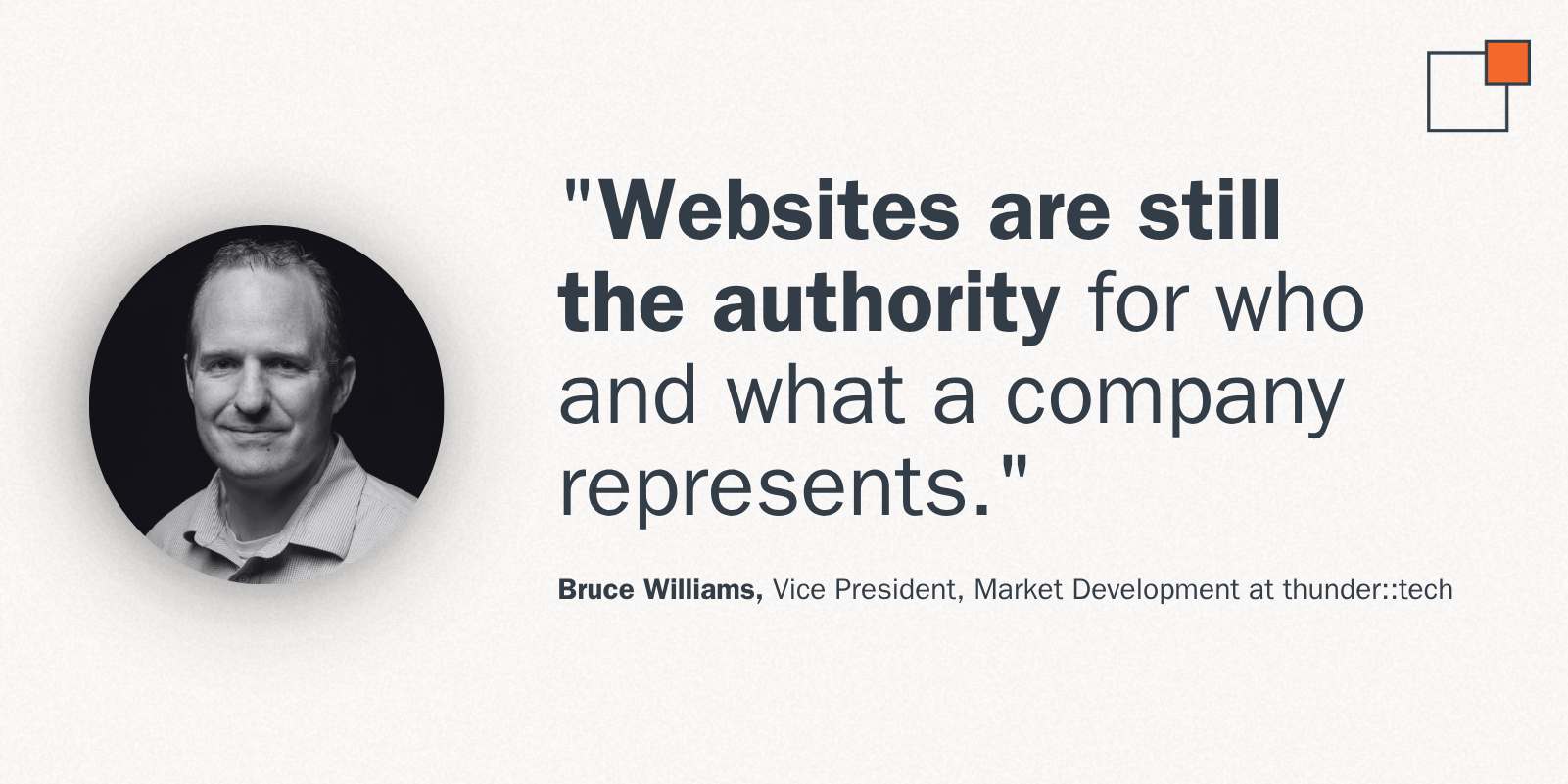
Ultimately, a high-performing website needs to function as a connected system that brings strategy, data and user experience together. As thunder::tech's VP of Market Development, Bruce Williams, explains, "Websites are still the authority for who and what a company represents. Thanks to AI and the explosion of innovations, buyers now have countless tools to help make purchasing decisions before they ever visit a brand's website. Even so, the website continues to play a critical role in establishing brand authority and shepherding buyers through the final stages of their journey."
In other words, while the ways people discover and evaluate brands may be changing, the website remains one of the most important places where trust is built and decisions are reinforced.
That answer should be defined in business terms, not just digital ones. Growth, for example, can mean very different things depending on the organization. Is the goal to increase acquisition? Improve conversion rates? Strengthen retention? Or drive greater operational efficiency?
Without that clarity, even well-executed initiatives can drift—solving the wrong problems or optimizing for the wrong outcomes. This is why strategic intent matters. When stakeholders are aligned early around what success actually looks like, decisions downstream become easier and faster. Without that alignment, “success” becomes subjective, and measurement loses its meaning.
This is where gap analysis becomes essential. It’s a straightforward but often uncomfortable comparison: current digital capabilities versus future customer expectations.
Gaps typically show up in a few consistent ways:

This shift is reflected in these key areas:
Personalization plays a major role in this evolution but only when it’s done thoughtfully. Meaningful personalization goes beyond surface-level tactics like greeting someone by name and instead reflects deeper user context in ways that add value.
And while AI makes all of this possible at scale, it doesn’t automatically make it effective. Intelligence built into a website still depends on strategy. Without clear direction, AI doesn’t improve the experience—it simply scales inconsistency faster.
Early wins matter because they create momentum. They help teams see progress, reduce internal resistance and validate that the direction is working. Without them, transformation can start to feel abstract or disconnected from day-to-day work.
These wins don’t need to be complex to be effective. In many cases, they show up as focused, practical improvements, such as:
True transformation depends on more than implementation. It starts with internal team alignment, so everyone is working toward the same definition of success. It continues with training and enablement, ensuring teams can actually use new systems effectively. And it requires cultural adoption, where new tools and processes become part of how work gets done—not just something that gets introduced and eventually ignored.
Where many initiatives fall short is in underestimating the human side of change. Process shifts, behavior change and alignment often matter more than the platform being deployed.
When those pieces are aligned, websites stop functioning as standalone assets and start operating as meaningful extensions of the business itself. The brands that recognize this shift now will be the ones best positioned for what comes next.
If you’re thinking about where your own digital experience stands today, the right place to start isn’t simply a redesign. It’s a clearer understanding of where alignment, capability and opportunity don’t yet meet. Which is exactly where our team can help—turning complexity into a clear path forward. If you’re ready to start that conversation, we’re here.

That era is over.
Today, a website isn’t a digital brochure sitting quietly in the background—it’s a living, adaptive experience engine. It responds to engagement, anticipates intent and increasingly learns from every interaction it touches.
That shift didn’t happen all at once, but it has steadily redefined what users expect from digital experiences. The websites that stand out now aren’t just visually refined or technically sound. They’re responsive in a more literal sense, adjusting in real time to context and behavior. Most organizations know they need to evolve but aren’t sure where (or how) to start.
So, what does the future of web design actually look like? And what does a successful digital experience transformation require beyond a new platform or a fresh coat of paint? Let’s explore the technologies, strategies and mindset shifts shaping the next generation of web development.
Why is web design changing so quickly right now?
Web design is evolving quickly, but technology is only part of the story. The real driver is changing user expectations.AI has transformed how people search, browse and find information. Users are becoming accustomed to receiving immediate, relevant answers, and they expect this level of responsiveness from the brands they interact with online. At the same time, personalization has shifted from a competitive advantage to the standard. Visitors want experiences tailored to their needs, interests and behaviors—not generic content designed for everyone.
Speed and simplicity matter, too. Today's users expect intuitive, frictionless journeys that help them accomplish their goals with minimal effort. And with attention spans stretched across countless channels and platforms, websites have less time than ever to prove their value.
As a result, static websites are giving way to dynamic, contextual experiences that adapt to users on the fly.
The new definition of a high-performing website
A high-performing website today looks very different than it did even a few years ago. Where performance used to be defined by clean design and solid development, it’s now defined by how effectively a website supports broader business outcomes and keeps pace with how people engage online today.Modern websites need to be:
- Strategic: Built with clear alignment to business goals, customer needs and growth priorities.
- Intelligent: Shaped by data and informed by technologies that help surface insights and improve decision-making.
- Adaptive: Able to adjust content and journeys based on activity, context and motivations.
- Secure: Supported by ongoing monitoring and maintenance that helps reduce risk, protect user trust and prevent disruptions.
- Measurable: Structured around continuous tracking, learning and optimization instead of one-time success metrics.
Ultimately, a high-performing website needs to function as a connected system that brings strategy, data and user experience together. As thunder::tech's VP of Market Development, Bruce Williams, explains, "Websites are still the authority for who and what a company represents. Thanks to AI and the explosion of innovations, buyers now have countless tools to help make purchasing decisions before they ever visit a brand's website. Even so, the website continues to play a critical role in establishing brand authority and shepherding buyers through the final stages of their journey."
In other words, while the ways people discover and evaluate brands may be changing, the website remains one of the most important places where trust is built and decisions are reinforced.
Where should digital experience transformation start?
A website transformation starts with clarity. Identifying why the transformation needs to happen in the first place.That answer should be defined in business terms, not just digital ones. Growth, for example, can mean very different things depending on the organization. Is the goal to increase acquisition? Improve conversion rates? Strengthen retention? Or drive greater operational efficiency?
Without that clarity, even well-executed initiatives can drift—solving the wrong problems or optimizing for the wrong outcomes. This is why strategic intent matters. When stakeholders are aligned early around what success actually looks like, decisions downstream become easier and faster. Without that alignment, “success” becomes subjective, and measurement loses its meaning.
The gap between where you are and where users expect you to be
Once there’s clarity around direction, the next step is understanding the distance between where things stand today and where they need to go.This is where gap analysis becomes essential. It’s a straightforward but often uncomfortable comparison: current digital capabilities versus future customer expectations.
Gaps typically show up in a few consistent ways:
- Legacy CMS limitations restricting flexibility and making it difficult to evolve experiences quickly
- Disconnected data systems preventing a unified view of user behavior across channels and touchpoints
- Inconsistent UX across journeys where different parts of the experience feel fragmented or disconnected
- Weak measurement frameworks limiting visibility into performance and impact
How is AI changing the future of web design?
AI has accelerated the shift in how digital experiences are designed and consumed. Instead of static pages delivering the same content to every visitor, websites are becoming more responsive and adaptive in real time. The experience changes based on what a user needs, where they are in their journey and what they’re trying to accomplish.This shift is reflected in these key areas:
- Smarter content delivery that surfaces the most relevant information based on interaction patterns
- Predictive journeys that anticipate next steps and reduce friction in decision-making
- Conversational interfaces that allow users to interact with brands in more natural, intuitive ways
Personalization plays a major role in this evolution but only when it’s done thoughtfully. Meaningful personalization goes beyond surface-level tactics like greeting someone by name and instead reflects deeper user context in ways that add value.
And while AI makes all of this possible at scale, it doesn’t automatically make it effective. Intelligence built into a website still depends on strategy. Without clear direction, AI doesn’t improve the experience—it simply scales inconsistency faster.
Small wins build big transformations
Big transformations are rarely delivered in a single step. More often, they’re built through a series of smaller, intentional improvements.Early wins matter because they create momentum. They help teams see progress, reduce internal resistance and validate that the direction is working. Without them, transformation can start to feel abstract or disconnected from day-to-day work.
These wins don’t need to be complex to be effective. In many cases, they show up as focused, practical improvements, such as:
- Streamlining key conversion paths to reduce friction
- Introducing targeted personalization where it enhances relevance
- Addressing gaps in analytics visibility so teams can act on clearer data
Launch is not the finish line
Digital transformation doesn’t end at launch. In many cases, that’s where the real work begins. Buying new technology is often mistaken for transformation itself, but tools alone don’t change outcomes. Adoption does.True transformation depends on more than implementation. It starts with internal team alignment, so everyone is working toward the same definition of success. It continues with training and enablement, ensuring teams can actually use new systems effectively. And it requires cultural adoption, where new tools and processes become part of how work gets done—not just something that gets introduced and eventually ignored.
Where many initiatives fall short is in underestimating the human side of change. Process shifts, behavior change and alignment often matter more than the platform being deployed.
The future of web design is already happening
Web design has already moved into its next phase. Competitive advantage belongs to organizations that approach this shift deliberately. That starts with early alignment around what a website is meant to achieve, how success is defined and where it drives business value. It continues with thoughtful adoption of new capabilities, ensuring technology, strategy and teams move in sync rather than in isolation.When those pieces are aligned, websites stop functioning as standalone assets and start operating as meaningful extensions of the business itself. The brands that recognize this shift now will be the ones best positioned for what comes next.
If you’re thinking about where your own digital experience stands today, the right place to start isn’t simply a redesign. It’s a clearer understanding of where alignment, capability and opportunity don’t yet meet. Which is exactly where our team can help—turning complexity into a clear path forward. If you’re ready to start that conversation, we’re here.
About the Author
Lexie Febel is a Content Specialist at thunder::tech. Her favorite pastime includes being cozied up with her cats while getting lost in the pages of a compelling book.