Make Every Shot Count
10 ways to get more from photo and video
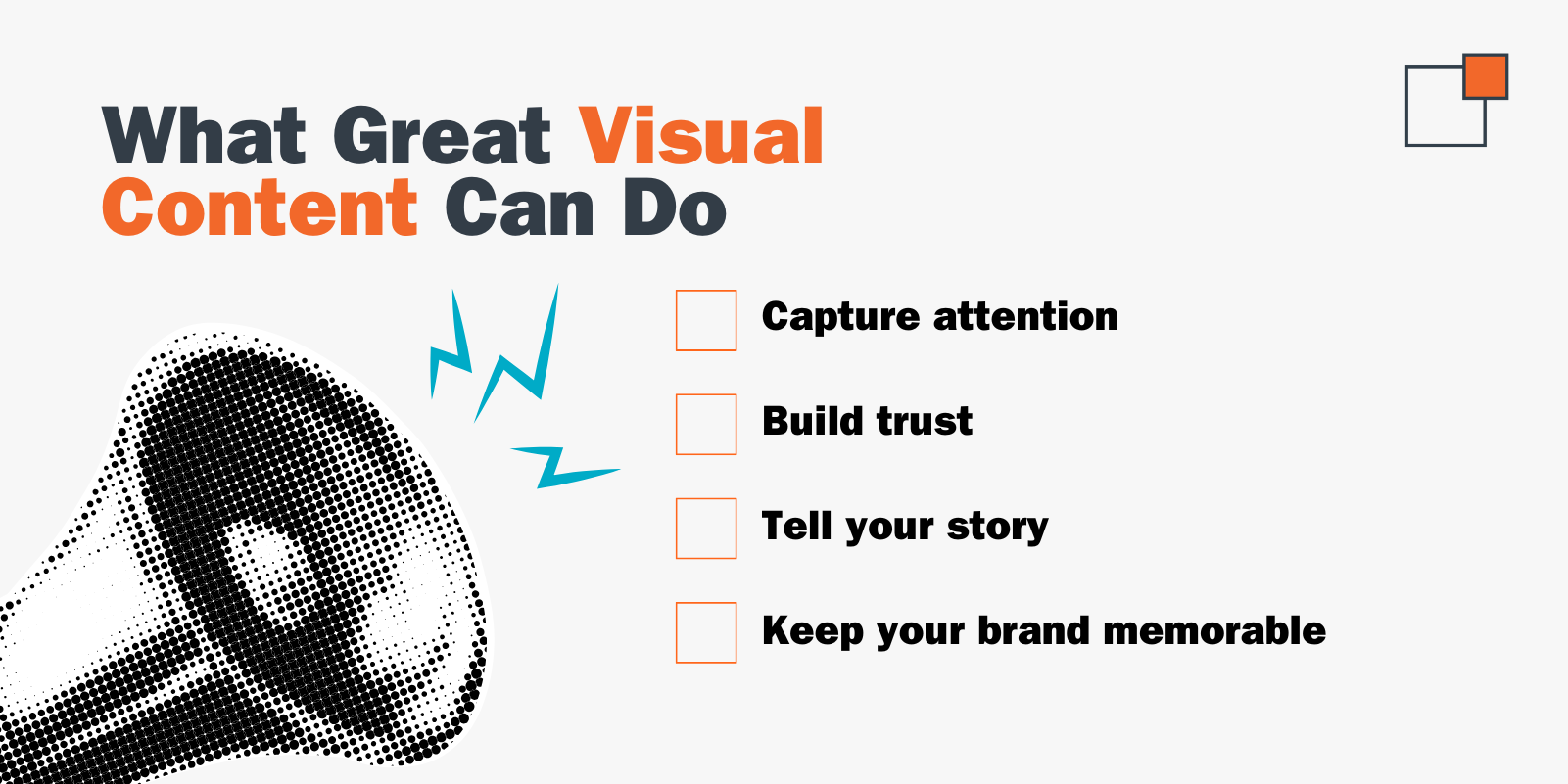
Visual content is one of the most powerful tools in your marketing arsenal. When people browse a website or scroll through social feeds, long blocks of text rarely stop them.
But great visuals do.
Compelling photography and video capture attention, spark curiosity and create stronger brand experiences that words alone can't achieve.
Whether you're a steel manufacturer, an event planning company, boutique retailer or professional services firm, investing in custom photo and video assets can elevate your brand and help tell your story. When created with intention, these assets become the foundation of your marketing efforts, helping audiences understand who you are, what you do and why it matters.
So how do you accomplish this? Below are ten ways brands can maximize the value of professional visual content, straight from our creative and multimedia pros.
While stock imagery has its place, relying on it too heavily can weaken your brand identity. When multiple companies use the same generic photos, the brands become interchangeable and forgettable.
Custom imagery on the other hand, showcases your real people, products, facilities and experiences, which competitors can't replicate. The result is a brand that feels more credible, more relatable and more distinctly you.
Before capturing content, identify the story you want to tell. Then make sure every interview, hero shot, b-roll sequence and customer interaction contributes to that larger story.
Brands that think in stories create content that feels more cohesive, more memorable and ultimately more effective.
Show a team member solving a problem. Capture an employee at work, a customer sharing their experience or a behind-the-scenes look at your process. These moments give audiences a better sense of the people and expertise behind your brand.
The most effective visual content doesn’t just showcase what your company makes. It shows who makes it, how they make it and why it matters.
By balancing product-focused content with human stories, you create a more relatable brand experience that leaves a lasting impression.
Using the same images repeatedly can cause content fatigue and reduce engagement over time. Consistently refreshing your visual assets helps keep your brand relevant and your audience engaged.
But, not every asset has the same lifespan. Product photography, manufacturing footage and instructional videos can provide value for years, while campaign-specific content and team photos may require more frequent updates.
The goal is to balance evergreen assets with fresh content, so you always have something relevant to share.
That doesn’t mean every image needs to look identical. Instead, your visual content should share a consistent point of view through elements like tone, style, color, composition and personality. Over time, that consistency makes your brand easier to recognize, remember and trust.
A strong creative partner can help make sure every asset feels like part of the same story, creating a cohesive brand experience across every channel.
Movement and sound give video the ability to create an emotional connection in ways static imagery can’t always match.
Video can enhance nearly every customer touchpoint, from homepage introductions and product demonstrations to behind-the-scenes content, installation guides, company culture stories, event recaps and milestone celebrations.
But more than anything, video with a great narrative helps people understand not only what your company does, but why it does it—and gives them a reason to care.
That means planning for multiple formats from the start. With the right approach, one shoot can give you a versatile collection of assets, including:

By looking at how your visual content performs, you can uncover insights such as:
The success of a shoot is often determined long before the cameras start rolling. Strategic pre-production helps clarify the story you want to tell, prioritize the content you need most, keep production running efficiently and ensure every asset has a purpose.
Planning should include:
While having the right equipment matters, great photography and video require much more than cameras and gear. They require strategy, storytelling, creative direction and a plan for putting the finished assets to work.
An experienced creative team can help guide every stage of the process, including:
Whether you're starting from scratch or looking to elevate an existing content strategy, the right creative partner can help you make every shoot count. Let’s talk about your goals and how we can help bring your vision to life.

But great visuals do.
Compelling photography and video capture attention, spark curiosity and create stronger brand experiences that words alone can't achieve.
Whether you're a steel manufacturer, an event planning company, boutique retailer or professional services firm, investing in custom photo and video assets can elevate your brand and help tell your story. When created with intention, these assets become the foundation of your marketing efforts, helping audiences understand who you are, what you do and why it matters.
So how do you accomplish this? Below are ten ways brands can maximize the value of professional visual content, straight from our creative and multimedia pros.
Tip 1: Prioritize authenticity
Authenticity is one of the most valuable currencies in modern marketing, and custom photography and video are some of the most effective ways to show that. Your people, process, culture and expertise are what make your brand unique. Shouldn’t your visuals reflect that?While stock imagery has its place, relying on it too heavily can weaken your brand identity. When multiple companies use the same generic photos, the brands become interchangeable and forgettable.
Custom imagery on the other hand, showcases your real people, products, facilities and experiences, which competitors can't replicate. The result is a brand that feels more credible, more relatable and more distinctly you.
Tip 2: Think in stories, not shots
Great visual content isn't a collection of random photos and video clips. It's a story. Every shoot should have a narrative that turns individual shots into something bigger.Before capturing content, identify the story you want to tell. Then make sure every interview, hero shot, b-roll sequence and customer interaction contributes to that larger story.
Brands that think in stories create content that feels more cohesive, more memorable and ultimately more effective.
Tip 3: Show the people who make it happen
People connect with people before they connect with products. It's easy to fill a content library with product shots, machinery, facilities and finished work. And while those assets are important, audiences are often more engaged by the faces, expertise and personalities behind the brand.Show a team member solving a problem. Capture an employee at work, a customer sharing their experience or a behind-the-scenes look at your process. These moments give audiences a better sense of the people and expertise behind your brand.
The most effective visual content doesn’t just showcase what your company makes. It shows who makes it, how they make it and why it matters.
By balancing product-focused content with human stories, you create a more relatable brand experience that leaves a lasting impression.
Tip 4: Build a content library
A single photoshoot can produce plenty of great content. A strategic content library can fuel your marketing for months or even years.Using the same images repeatedly can cause content fatigue and reduce engagement over time. Consistently refreshing your visual assets helps keep your brand relevant and your audience engaged.
But, not every asset has the same lifespan. Product photography, manufacturing footage and instructional videos can provide value for years, while campaign-specific content and team photos may require more frequent updates.
The goal is to balance evergreen assets with fresh content, so you always have something relevant to share.
Tip 5: Maintain a consistent visual identity
Consistency helps make a brand recognizable. Your photography and video should feel like they belong to the same brand wherever your audience encounters them, from your website and social channels to sales materials and trade show displays.That doesn’t mean every image needs to look identical. Instead, your visual content should share a consistent point of view through elements like tone, style, color, composition and personality. Over time, that consistency makes your brand easier to recognize, remember and trust.
A strong creative partner can help make sure every asset feels like part of the same story, creating a cohesive brand experience across every channel.
Tip 6: Go beyond photography with video
Photography captures attention. Video deepens engagement.Movement and sound give video the ability to create an emotional connection in ways static imagery can’t always match.
Video can enhance nearly every customer touchpoint, from homepage introductions and product demonstrations to behind-the-scenes content, installation guides, company culture stories, event recaps and milestone celebrations.
But more than anything, video with a great narrative helps people understand not only what your company does, but why it does it—and gives them a reason to care.
Tip 7: Optimize for every platform
A single piece of content rarely performs equally well across every channel. Today's audiences consume content differently depending on where they find it, so your visual strategy should account for those differences from the start.That means planning for multiple formats from the start. With the right approach, one shoot can give you a versatile collection of assets, including:
- Vertical videos for Reels, TikTok and Shorts
- Widescreen assets for websites and presentations
- Social media cutdowns, highlight reels and behind-the-scenes content
- Presentation decks
- Trade show displays and print advertising
- Recruitment campaigns and training programs
Tip 8: Let data drive creative direction
Great visuals should grab attention, but they also need to earn their keep. Performance data can reveal what resonates most with your audience, which formats drive engagement and which content ultimately contributes to conversions.By looking at how your visual content performs, you can uncover insights such as:
- Which visuals generate the most engagement
- Which formats drive action
- How long different assets remain effective
- When it’s time to refresh or replace content
Tip 9: Invest in strategic pre-production
The success of a shoot is often determined long before the cameras start rolling. Strategic pre-production helps clarify the story you want to tell, prioritize the content you need most, keep production running efficiently and ensure every asset has a purpose. Planning should include:
- Defining content goals
- Building shot lists
- Creating storyboards
- Coordinating locations and talent
- Preparing props and styling
- Identifying opportunities to repurpose content
Tip 10: Partner with creative experts
Many organizations underestimate the impact professional creative direction can have on the final product. Many think they can do it themselves just by purchasing the gear and starting a shoot.While having the right equipment matters, great photography and video require much more than cameras and gear. They require strategy, storytelling, creative direction and a plan for putting the finished assets to work.
An experienced creative team can help guide every stage of the process, including:
- Concept development
- Scripting and storyboarding
- Shot planning
- Styling and set design
- Talent direction and location scouting
- Mood and visual development
The bottom line
Professional photo and video content has become essential for brands that want to stand out, build trust and stay relevant. By prioritizing authenticity, consistency and strategy, you can build a visual library that keeps delivering value across campaigns, channels and customer touchpoints. When every shoot is planned with the bigger picture in mind, each asset has more opportunities to engage your audience and support your goals.Whether you're starting from scratch or looking to elevate an existing content strategy, the right creative partner can help you make every shoot count. Let’s talk about your goals and how we can help bring your vision to life.