Marketing Audits
Turning insights into smarter strategy
Marketing teams are constantly being asked to do more (often times with less). As channels multiply and content demands grow, it's easy to assume that the answer is simply doing more. However, while there’s certainly no shortage of ways to expand your marketing efforts, adding more isn’t always the answer.
Sometimes, the smarter move is to pause and take a closer look at what’s already happening.
A marketing audit can help uncover the friction, gaps and opportunities that aren’t always obvious when you’re focused on keeping everything moving. It provides a structured look at your marketing efforts to understand what’s working, what’s not, where resources may be getting stretched too thin and where there’s a chance to make a bigger impact.
A marketing audit doesn’t necessarily mean putting your entire marketing ecosystem under a microscope. Depending on your goals, you might audit your content, social media, website, SEO and AEO, brand, paid media or other specific areas of your marketing. The focus may vary, but the objective stays the same: get the clarity you need to make better marketing decisions.
What is a marketing audit?
A marketing audit is a structured evaluation of your marketing efforts, assets, channels and strategy. It takes a step back from the day-to-day work to look at how those pieces are performing individually—and, just as importantly, how they’re working together.
"An audit also gives you permission to question the things you’ve stopped questioning," Abi Warrell, thunder::tech's Director of Communications, explains, "When something has become part of the routine, it can be easy to keep doing it without asking whether it’s still delivering value." A closer look can challenge those assumptions and surface opportunities that may have been overlooked simply because “that’s how we’ve always done it.”
A good audit should help answer questions like:
- What’s working?
- What’s not?
- What’s missing?
- Where are we creating unnecessary friction?
- Where are the biggest areas to improve, grow or create more value?
- Where are we spending time or money without seeing enough return?
- What should we prioritize next?
That last question is particularly important. An audit shouldn’t leave you with a longer list of problems to solve. It should help you understand where to focus your attention and resources next.
Types of marketing audits
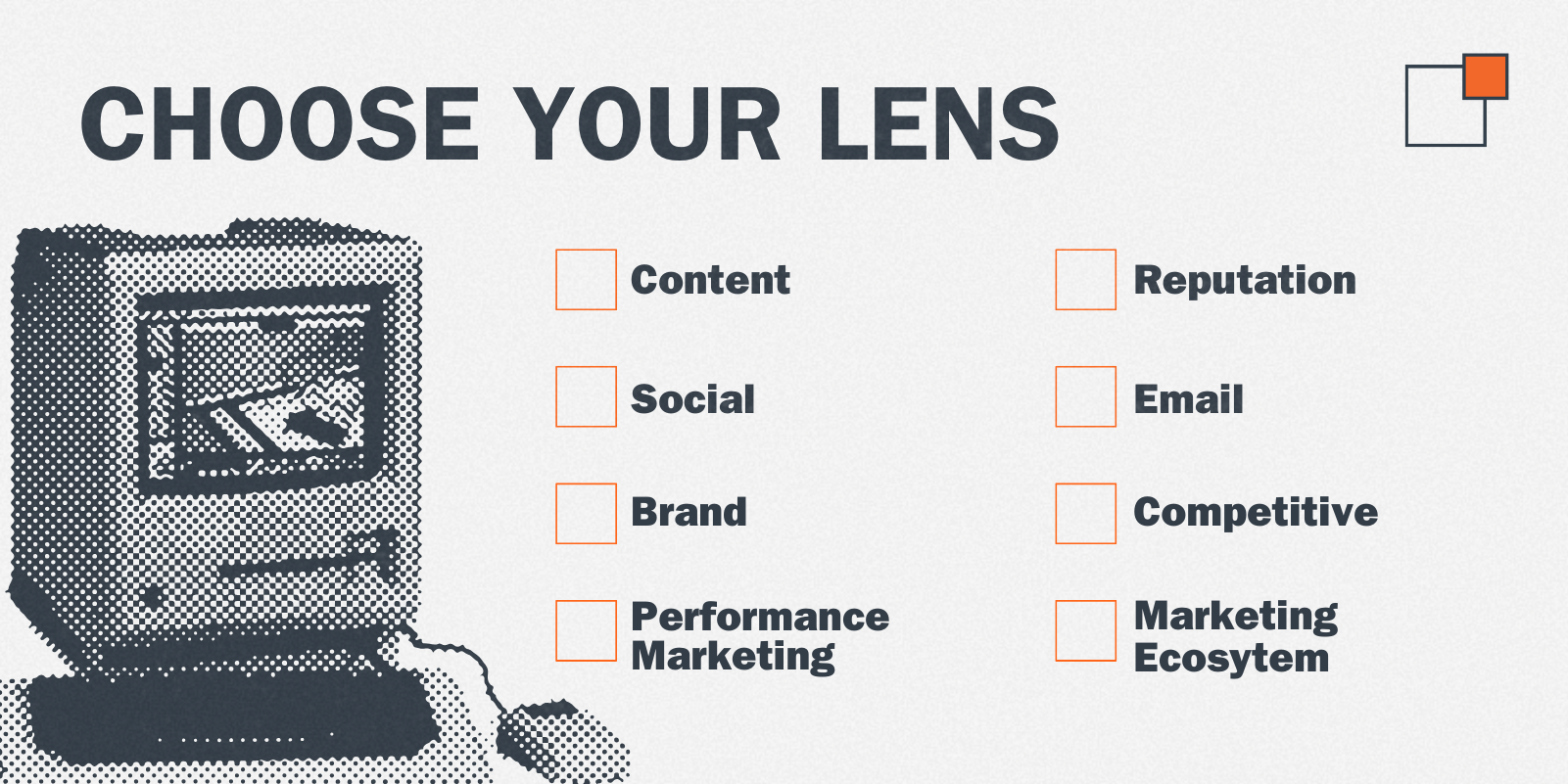
You don’t always need to audit everything. You may just need to zero in on one specific area of your marketing. Or perhaps you need to step back and see how all the pieces are working together. The right approach depends on the questions you’re trying to answer.
Content audit
A content audit assesses the content you already have and whether it's delivering value. This can include website content, blogs, landing pages, resources and other relevant assets. The audit can uncover content that’s outdated, underperforming, duplicated or missing altogether, while also identifying where to update, consolidate or repurpose existing assets. It can also reveal whether your content aligns with audience needs, business goals and search opportunities.
Social media audit
Social media can become a bit of a routine. You post because you’ve always posted, on the channels you’ve always used, at the cadence you’ve always followed. A social media audit helps you take a fresh look at what’s actually working.
A social audit can look at:
- Which channels you’re using (and whether they’re the right ones)
- Content performance and audience engagement
- Posting cadence
- Brand consistency
- Community management
- Competitor activity
The result is a clearer idea of where to double down, where to make adjustments and where it may be time to rethink the strategy.
Website and digital experience audit
Your website has a lot of jobs to do, from communicating your value proposition to helping visitors find information and take action. A website and digital experience audit evaluates how effectively it’s doing those jobs. It can examine user experience, navigation, conversion paths, calls to action, mobile experience, accessibility, technical performance, content and messaging to uncover friction that may be keeping users from taking the next step.
SEO & AEO audit
People still use traditional search engines, but they’re also using AI to discover information and get answers. An SEO and AEO audit looks at how well your content is positioned for both.
That can include evaluating:
- Technical SEO and site health
- On-page optimization and search intent
- Internal linking and site structure
- Structured data and schema markup
- Search rankings and SERP features
- Content’s potential to be cited or referenced in AI-generated answers
- Entity, topic and contextual signals that help search engines and AI systems understand your brand
It’s an opportunity to strengthen search visibility by making the most of the content and experiences you already have, filling gaps and providing clearer, more authoritative answers to the questions your audience is asking.
Brand audit
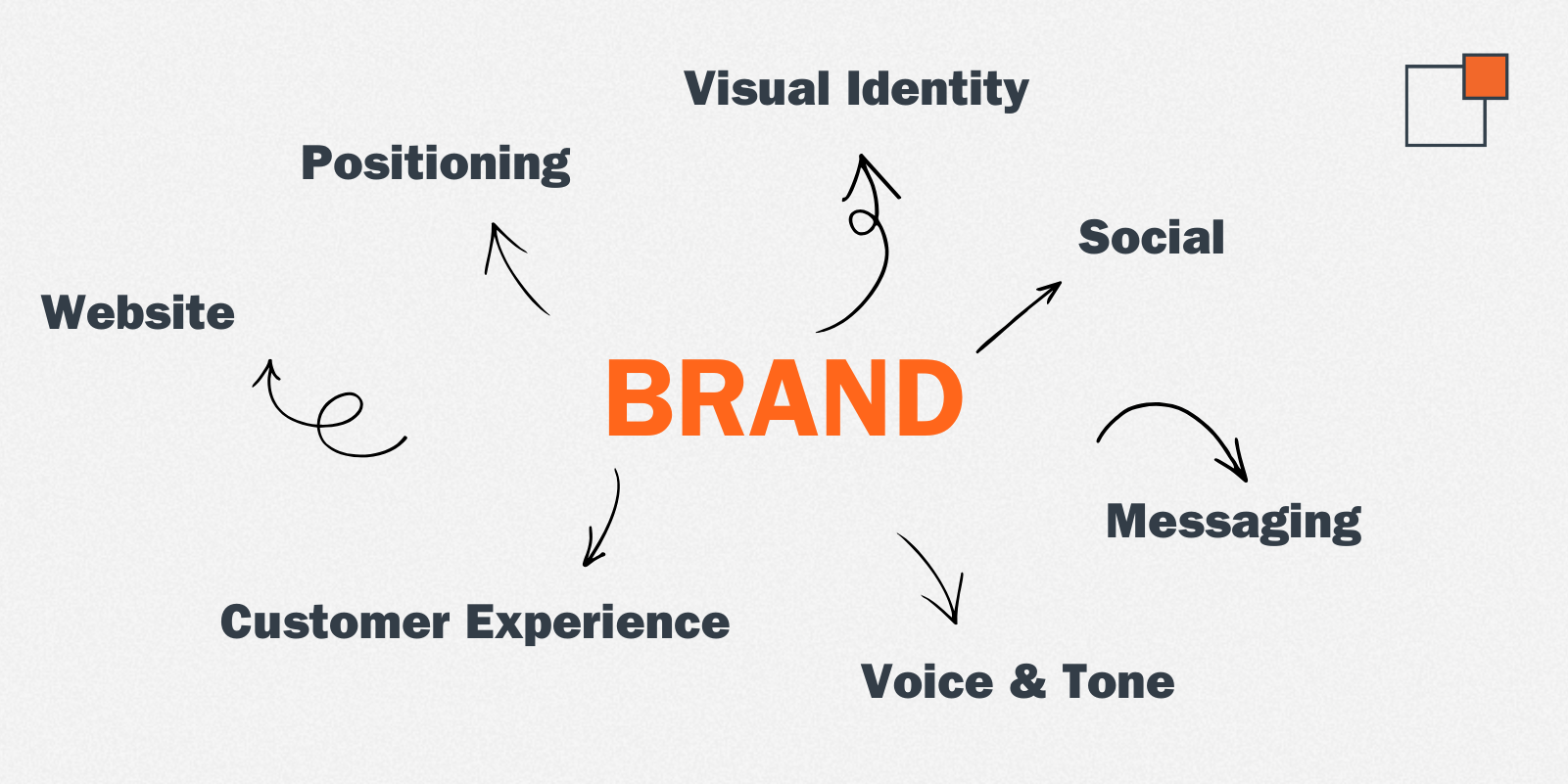
Your brand shows up in more places than your logo. A brand audit looks at the full picture to see whether your positioning, messaging and identity are telling a consistent story across the customer experience. It can reveal where your brand feels cohesive, where the experience falls out of sync and whether the way you’re showing up still reflects who you are, who you’re trying to reach and where the business is headed.
Performance marketing audit
A performance marketing audit evaluates how your advertising investment is performing across channels, audiences and campaigns. It looks at targeting, creative, messaging, budget allocation, conversions and cost efficiency to identify what’s driving results and where there’s room to improve. Those insights can help you prioritize your spend, strengthen underperforming campaigns and put more investment behind the tactics with the most potential.
Reputation audit
Your brand says one thing about you, but the internet might have a few thoughts of its own. A reputation audit looks at how your organization is perceived by the people who matter most—customers, employees, partners, prospects and the broader market. That perspective comes from looking at things like:
- Online reviews and ratings
- Social conversations and sentiment
- Media coverage and public perception
- Customer feedback and recurring concerns
- Brand mentions and share of voice
- Competitor reputation
- Areas where trust may be strengthened
Examining these pieces can help uncover the difference between the reputation you want to have and the one you actually have.
Email marketing audit
An email marketing audit looks at how well your email strategy is serving both your audience and your business. That can mean digging into list health, segmentation, frequency, content, engagement and conversion performance, as well as automated campaigns and nurture journeys. The findings can highlight ways to make emails more relevant, improve the customer experience and get more value from an audience you’ve already worked to build.
Competitor or market audit
A competitor or market audit gets you out of your own marketing bubble for a minute. By looking at competitor positioning, messaging, content, social presence, search visibility and digital experiences, you can see how your brand fits into the larger landscape. It can reveal where competitors are raising the bar, where everyone sounds suspiciously similar and where there’s room to do something different. The goal is to understand the market well enough to find your time to shine.
Full marketing ecosystem audit
Sometimes, the problem doesn’t live in one channel. It’s somewhere in the connections between them. A full marketing ecosystem audit takes a broader look at how strategy, brand, content, digital, social, paid media and technology work together. That bigger view can uncover duplicated efforts, disconnected experiences, inconsistent messaging or opportunities for channels to support one another more effectively.
How do you know which type of marketing audit you need?
The right audit starts with the business problem you’re trying to solve. If one part of your marketing is underperforming, a focused audit may be enough to identify what’s getting in the way. If the issue seems to span multiple channels or touchpoints, a broader audit can help connect the dots.
Consider the concerns your team already has:
- “We’re creating a lot of content, but it isn’t driving the results we expected.” → Content audit
- “We’re active on social, but we’re not sure the effort is paying off.” → Social media audit
- “We’re getting traffic, but too few people are taking the next step.” → Website and digital experience audit
- “Why aren’t we showing up in search or in AI-generated answers?” → SEO & AEO audit
- “Does our brand reflect who we are?” → Brand audit
- “We know what we want people to think about our brand, but do we know what they actually think?” → Reputation audit
- “We’re spending on paid ads, but is it actually working?” → Performance marketing audit
- “Are our email efforts actually engaging people?” → Email marketing audit
- “How do we stack up against competitors?” → Competitor or market audit
- “Something feels off across marketing, but we don’t know where the problem is.” → Full marketing ecosystem audit
The scope should match the question. A targeted audit can provide clarity around a specific challenge, while a broader audit can reveal how seemingly separate issues are connected.
How audits improve performance and ROI
The value of a marketing audit starts to show when the findings make their way into actual decisions. Instead of relying on assumptions or habits, teams have evidence to help determine what deserves attention, what needs to change and where resources can have the greatest impact.
Audit findings can help teams:
- Clarify priorities by separating high-impact opportunities from lower-value activity
- Refine audiences and messaging based on what the data and customer experience reveal
- Adjust channel strategy by investing more in channels that are working and reconsidering those that aren’t
- Identify content priorities by finding gaps, underperforming assets and ways to get more from existing content
- Fix points of friction that may be getting in the way of engagement or conversion
- Reallocate resources toward initiatives with stronger potential to contribute to business goals
- Establish more meaningful KPIs that connect marketing activity to meaningful outcomes
An audit is only as valuable as what happens next
Ultimately, a marketing audit should give you something to act on. Once the findings are in, it’s time to separate the biggest priorities from the nice-to-haves and turn them into a practical plan. That might mean shifting resources, fixing a point of friction, investing more in what’s working or letting go of something that isn’t.Wondering what a closer look could uncover for your marketing? thunder::tech can help you find the gaps and make a plan for what's next.
