Tourism Marketing Strategies
How to Drive More Visitors This Spring and Summer
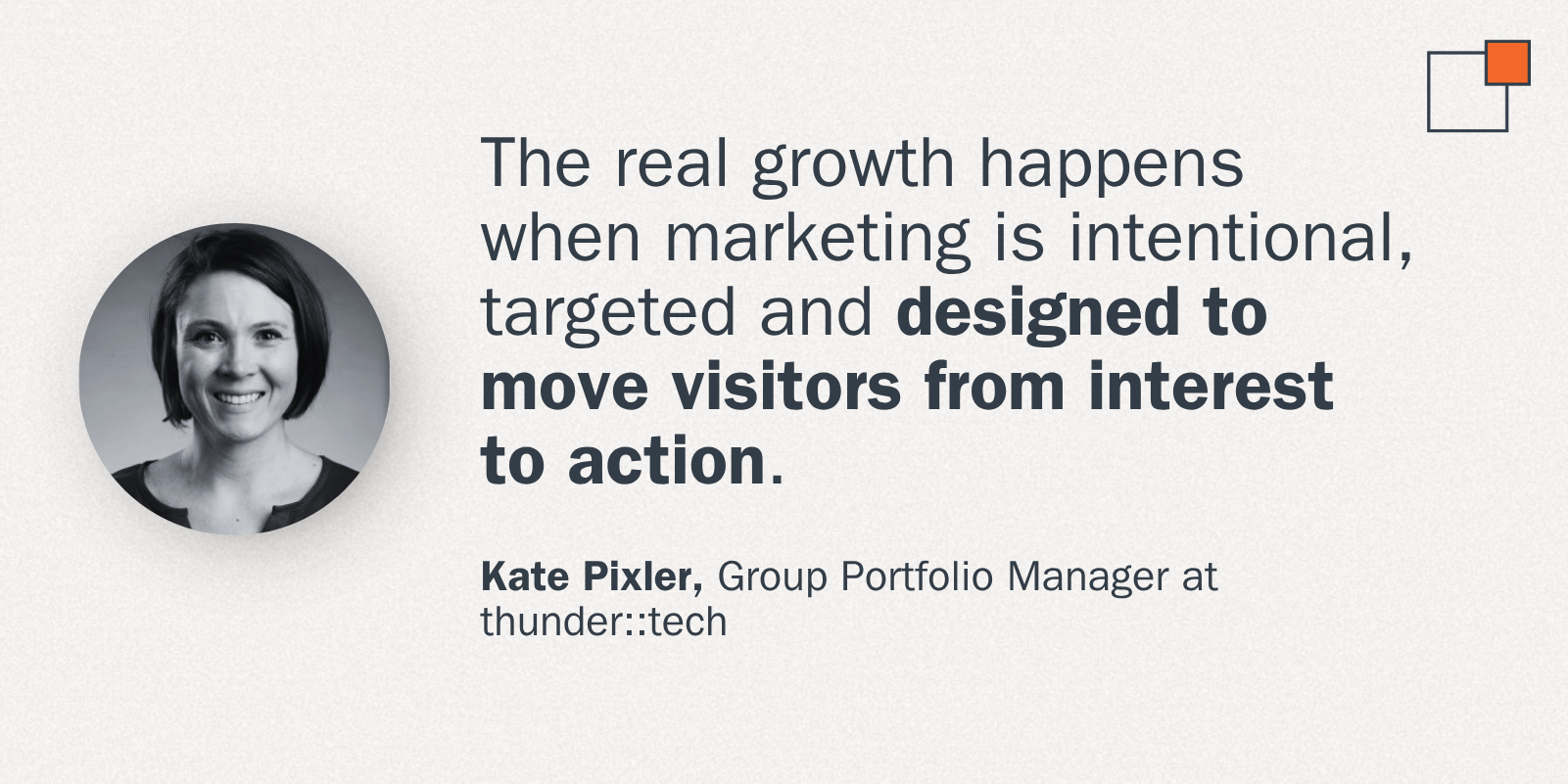
Too many destinations get stuck by relying on peak season demand to do the work for them. But demand without direction rarely delivers results. As Kate Pixler, Group Portfolio Manager at thunder::tech, explains, “We see it all the time—destinations relying on peak season to carry the load for the rest of the year. The real growth happens when marketing is intentional, targeted and designed to move visitors from interest to action.”
With the right tourism marketing strategies in place, you can go from hoping for traffic to actually driving it—capturing attention, increasing attendance and making the most of your busiest season.
Let’s unpack how to stop leaving seasonal success up to chance.
How does targeted marketing benefit tourism?
One of the fastest ways to lose attention in tourism marketing is to treat your audience like they all want the same thing. They don’t. A spring break family, a weekend couple’s getaway and a group chasing outdoor adventure are different decision-makers with completely (sometimes) opposing priorities.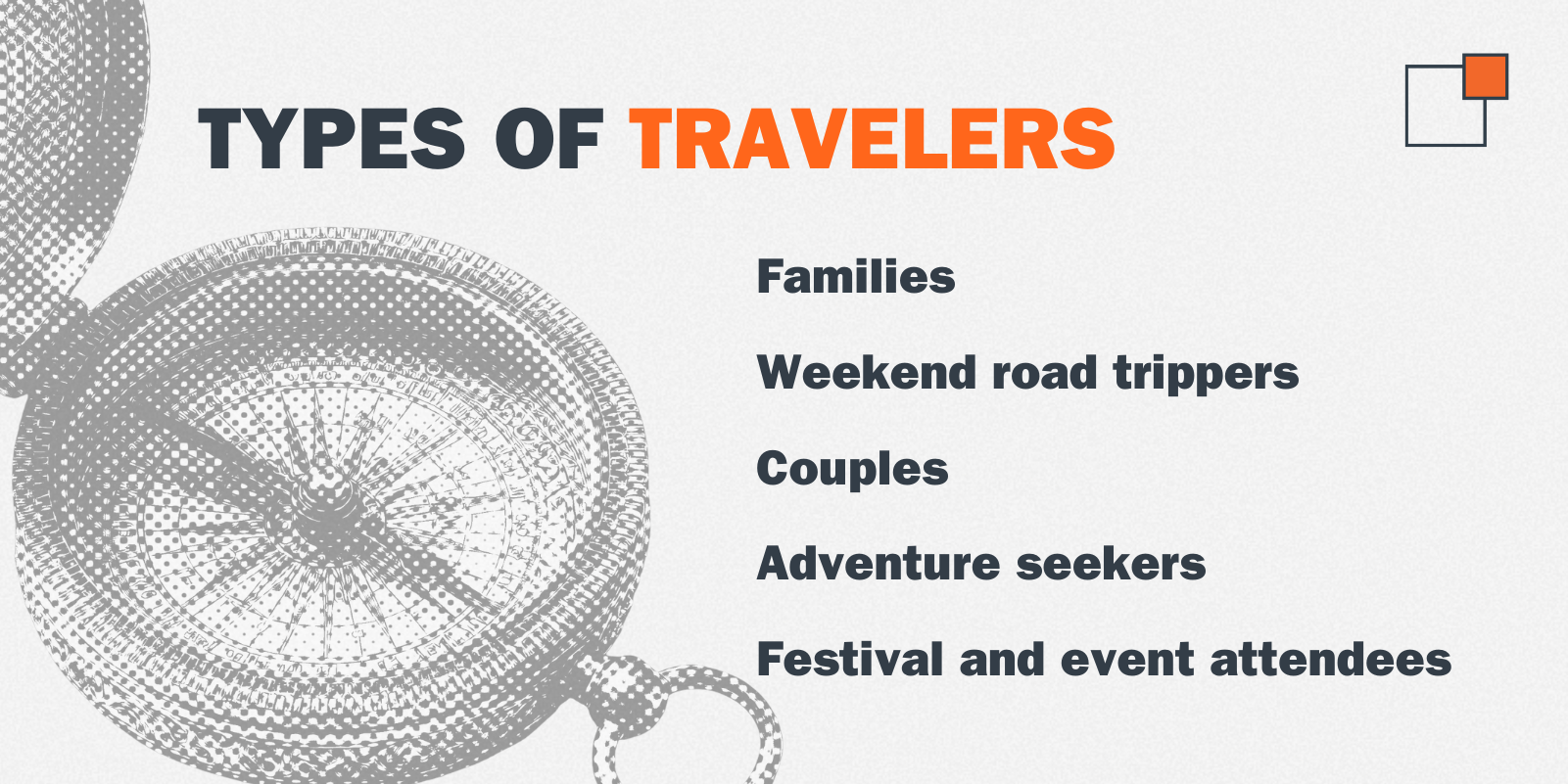
Instead of broad, one-size-fits-all messaging, the most effective campaigns segment audiences by intent and behavior, such as:
- Families looking for easy, all-ages experiences with strong value
- Weekend road trippers focused on convenience and quick getaways
- Couples in search of memorable, experience-rich trips
- Adventure seekers drawn to active outdoor experiences and exploration
- Event-goers motivated by festivals, concerts or seasonal happenings
What are the best digital channels for tourism marketing campaigns?
Travelers are already in motion before they arrive. They’re searching for weekend ideas, scrolling social feeds for inspiration and comparing destinations in real time. The opportunity is in reaching them while they’re actively planning.That’s where digital strategy becomes essential in tourism marketing.
Geo-targeting helps you connect with travelers within driving distance who are most likely to convert. Retargeting keeps your destination top-of-mind for people who have already shown interest but haven’t taken the next step. And seasonal paid campaigns align your messaging with the exact moments when travel intent is highest.
Different channels play different roles in that journey:
- Google Search and Performance Max campaigns capture high-intent planning behavior
- Paid social builds inspiration and discovery during early consideration
- Display and retargeting reinforce awareness and bring visitors back when they’re ready to act
Do limited time offers help increase tourism bookings?
Effective destination marketing strategies recognize that interest alone does not guarantee conversion. Limited-time offers can help create that push to act immediately. Seasonal packages, exclusive experiences and time-sensitive promotions give travelers a clear reason to stop “thinking about it” and start planning.This might look like bundling experiences, tickets or lodging perks into a single seasonal offer that simplifies the decision-making process. It can also mean encouraging weekday or off-peak visitation to help balance demand, or promoting exclusive experiences that only happen once during the season.
When an offer is tied to a specific moment, it naturally becomes easier to act.
Destination marketing works better as a group effort
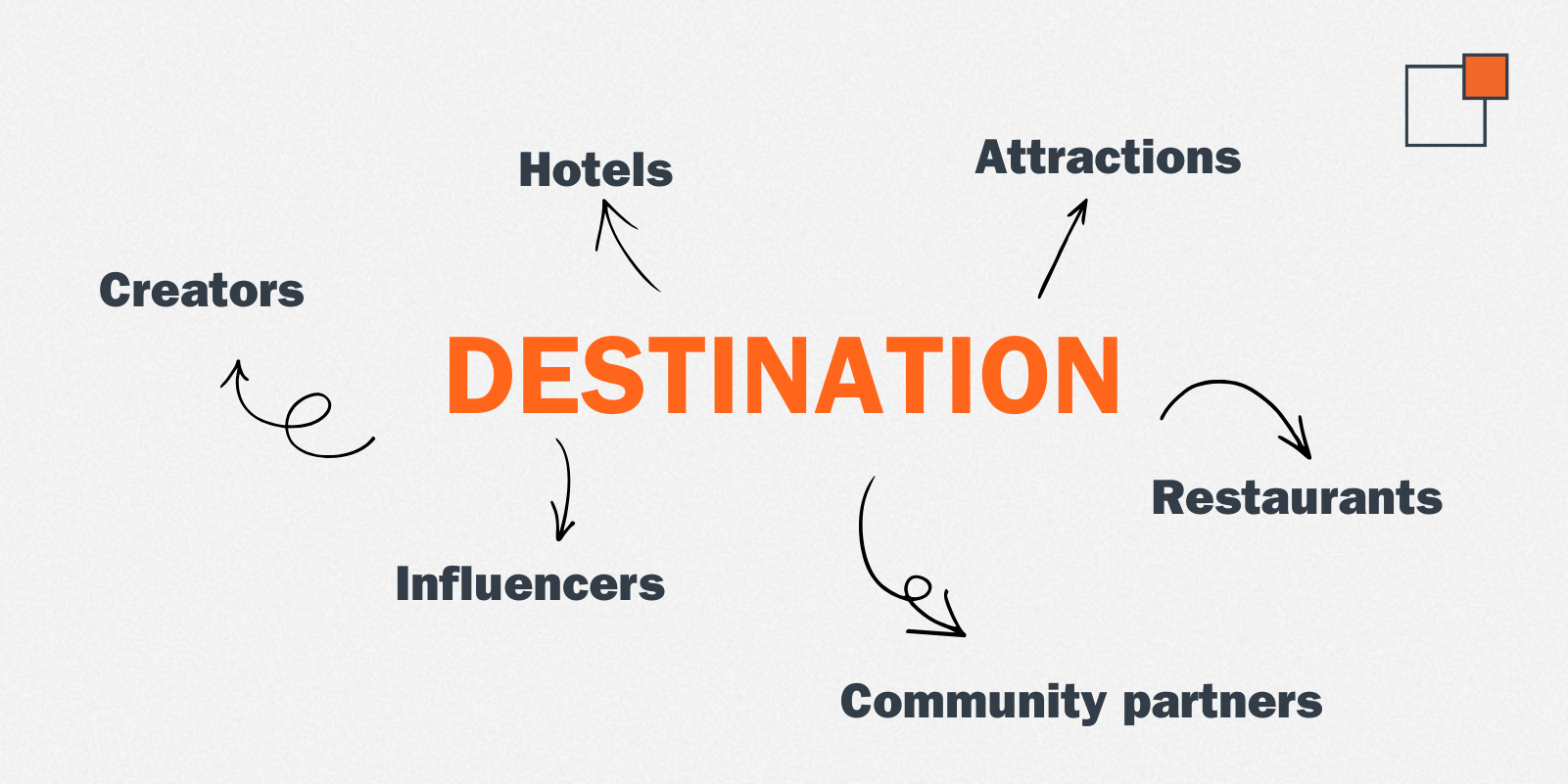
No destination is a single experience. And it shouldn’t be marketed like it is.In tourism marketing, the best results happen when local players work together instead of competing for attention in silos. When hotels, attractions, restaurants and community partners align, the destination becomes more than the sum of its individual parts. Collaboration shows up in a few practical ways:
- Hotel and attraction bundles that simplify trip planning
- Restaurant and event partnerships that enhance the visitor experience
- Influencer or local creator collaborations that amplify authentic storytelling
What makes a high-converting tourism website?
Getting someone to your site is a win, but it’s not the finish line. Attention only matters if it leads somewhere meaningful. The digital experience after the click is just as important as the campaign that brought them there. Visitors shouldn’t have to reorient themselves once they arrive—they should feel like they’re exactly where they expected to be.
Here are a few non-negotiables for your destination’s website or landing page:
- Clear calls to action that are easy to find
- Mobile-friendly design for on-the-go planning
- Up-to-date information on events and experiences
- Simple access to booking or visitor details
- Visuals and messaging that reflect what’s being promoted
Build buzz with content before visitors even pack their bags
By the time someone starts planning a trip, their decision has already been shaped by what they’ve seen online. Which means content is often their first impression of the experience. Short-form video captures the energy of a place in seconds, while itineraries and guides make it feel approachable and easy to plan. Behind-the-scenes moments can also add personality and give a sense of what it actually feels like to be there.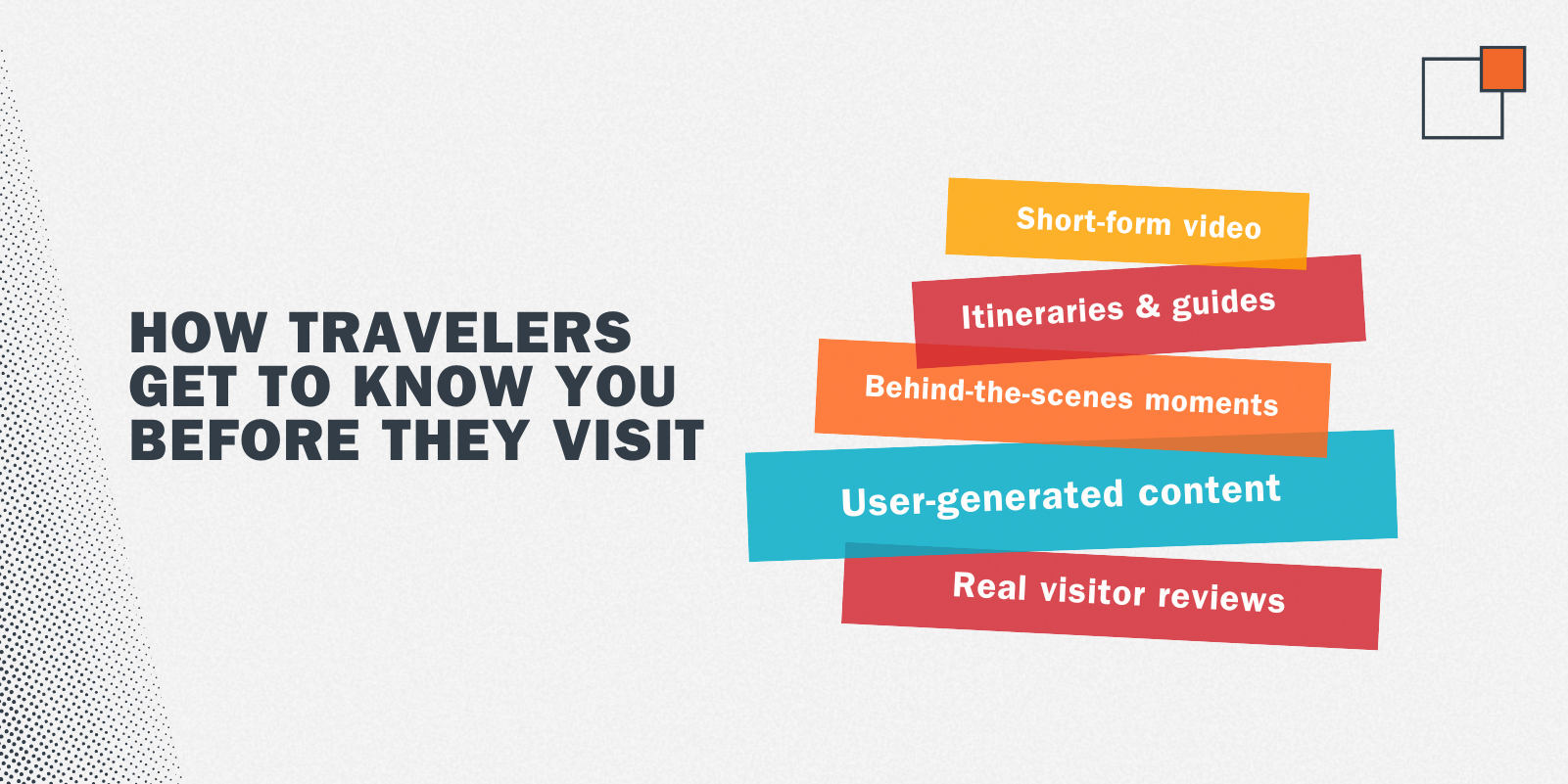
What really drives momentum, though, is proof. User-generated content and real visitor experiences bring authenticity that polished campaigns can’t replicate. When people see others already enjoying the experience, it shifts perception from “maybe” to “I need to go.”
What metrics should you track in tourism marketing?
Performance during peak travel season rarely stays static. It can shift quickly once a season is underway, which makes ongoing optimization critical.That means actively monitoring how your campaigns are performing and adjusting as needed while there’s still time to make an impact. Key signals to watch include website traffic, conversion rates, ad engagement and attendance or booking lift. The real results come from being willing to respond quickly, doubling down on what’s working and refining what isn’t before the season slows down.
And we promise, this approach isn’t theoretical. It’s something we’ve applied with tourism clients like the Jet Express, using real-time adjustment to help improve performance while the season was still in motion.
Make This Your Busiest Season Yet
Spring and summer don’t automatically create success—they create opportunity.
What happens next depends on execution. The destinations that come out ahead are the ones combining creative thinking with data-driven tourism marketing and activating it across segmentation, campaigns, promotions, partnerships and conversion strategy.
When everything works together, peak season stops being unpredictable and starts being intentional.
If you’re ready to stop relying on good luck and nice weather to bring in visitors, give us a call! thunder::tech can help you build a destination marketing strategy that performs rain or shine.

About the Author
Lexie Febel is a Content Specialist at thunder::tech. Her favorite pastime includes being cozied up with her cats while getting lost in the pages of a compelling book.